
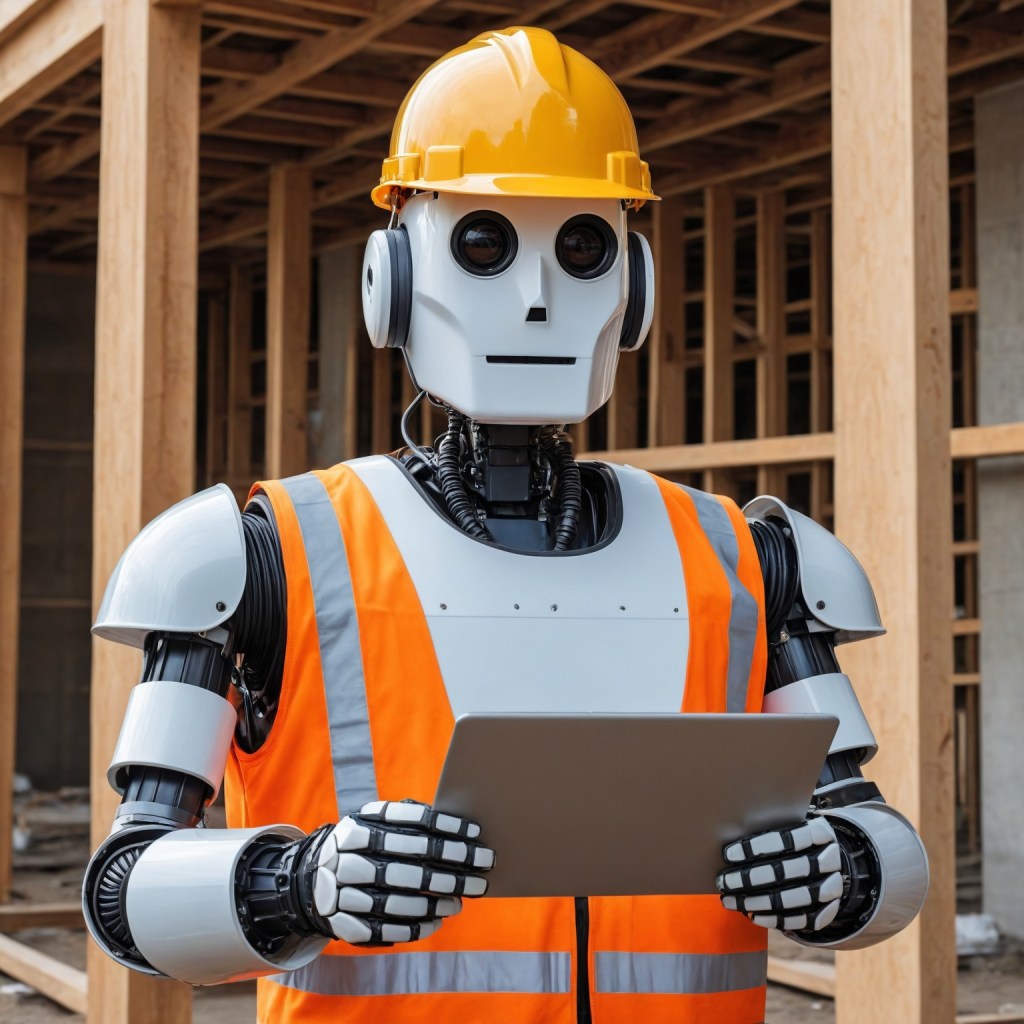
The Genesis of this article lies in a Wall Street Journal article that I was reading on Monday. The article was around how robotics automation (not the RPA used for process automation but actual hardware robotics automation) is making headway into the retail world, specifically food and beverages retail.
The article had a specific example of a restaurant that was using a robotic arms to assist humans. As I have mentioned repeatedly, the best use of robots and automation, whether it is automation through algorithms or through smart hardware, is when the automation happens in tandem with humans. So I loved this use case. The link to the article is below.
WSJ Article on Bots in Resturants
However, one point in the article caught my attention. It had nothing to do with robotics, artificial intelligence or the quality of work that is being delivered by these robots.
In an example, the author quotes an employee from the restaurant saying that since these robots were clearly visible as the customers entered the restaurant, and because (as you can see from the video in the article ) the setup is extensive, it kind of created a different type of first impression on the customers. Many customers when they entered did not get the feeling that this was a restaurant or missed the previous ambience. This restaurant chain is known explicitly for its ambience and the environment experience.
And that brings us to a whole new context that we might not have paid attention to so far. Most of the robotics and automation solutions that have been developed have been developed for the back-end. What this means is that the solutions are installed in the back end, in warehouses and manufacturing plants, where the end customer never gets to see them in action while experiencing the final product or solution being offered by a company. That is the reason we never bothered to analyze what kind of experience or perception a customer may build when they are in the same environment as these robots.
So, even though, in the majority of cases, these robots might not interact directly with customers (yet), if the customer is in the same environment, they would like the robot to merge into the ambience or experience that they expect from the company.
The good news at this point is that we are still experimenting with solutions like the one mentioned in the article. While initially, the solution seems to be working well, the company may find later that the productivity gains are not worth the floor space and the impact on the ambience is not positive. And this presents a whole new level of challenge for robotics companies that want to foray beyond the alleys and lanes of warehousing and manfacturing floors in the future.
While interacting with kiosks to place an order is not frightening but instead considered a sophisticated application of technology, a robotic arm grabbing a cup and pouring a drink for you, while may seem like a good experience for once, might not be something that a customer may be looking for as a regular experience in a restaurant. Again, note that in this particular solution, the robotic arm is not interacting with the customer at all. But merely the sight of the setup startles some customers.
The fact is that warehouse and manufacturing robotics space is already a competitive space and is becoming more and more competitive on a daily basis. Few years from now, we will have a flood of solutions, which all look, feel, and operate the same. So what will be the differentiating factor, then? The differentiating Factor will be experience! This experience applies to those who will interact with these Bots in the warehouses and Manufacturing locations as well, not only any customer who may interact with these robots. While not a short or mid-term challenge, those who see themselves as long term players need to start thinking in this direction.

 Designed Analytics Blog