The world is still trying to recover from the global tech outage. I read this morning how airlines like Delta are still struggling to get their entire operations back. It is amazing to think that all this mayhem was a result of one wrong (buggy) line of code, a human error. These things happen, and it is impossible to predict when and how. But from every drawback comes the opportunity to learn. In this age of Al, and since technology was involved, a question worth asking is, could Al have helped?
When I started my video series “So What ?”, the very first episode was focused on a startup that claimed to automate software development, leveraging AI. You can watch all episodes of this video series here: Video Series: So What ?
Unfortunately, we found later that the demo was a fraud, just like many other startup demos currently trying to feed on the Al frenzy. As I have mentioned in many of my posts and video series, the approach of completely automating tasks that are currently performed very well by humans may not be the correct approach to leverage AI. Yet, we, somehow, are still obsessed with this idea. And it is this obsession that leads to fraudulent Al startups.
The best approach is to Leverage humans in combination with Al to develop semi-automated or almost automated Solutions.
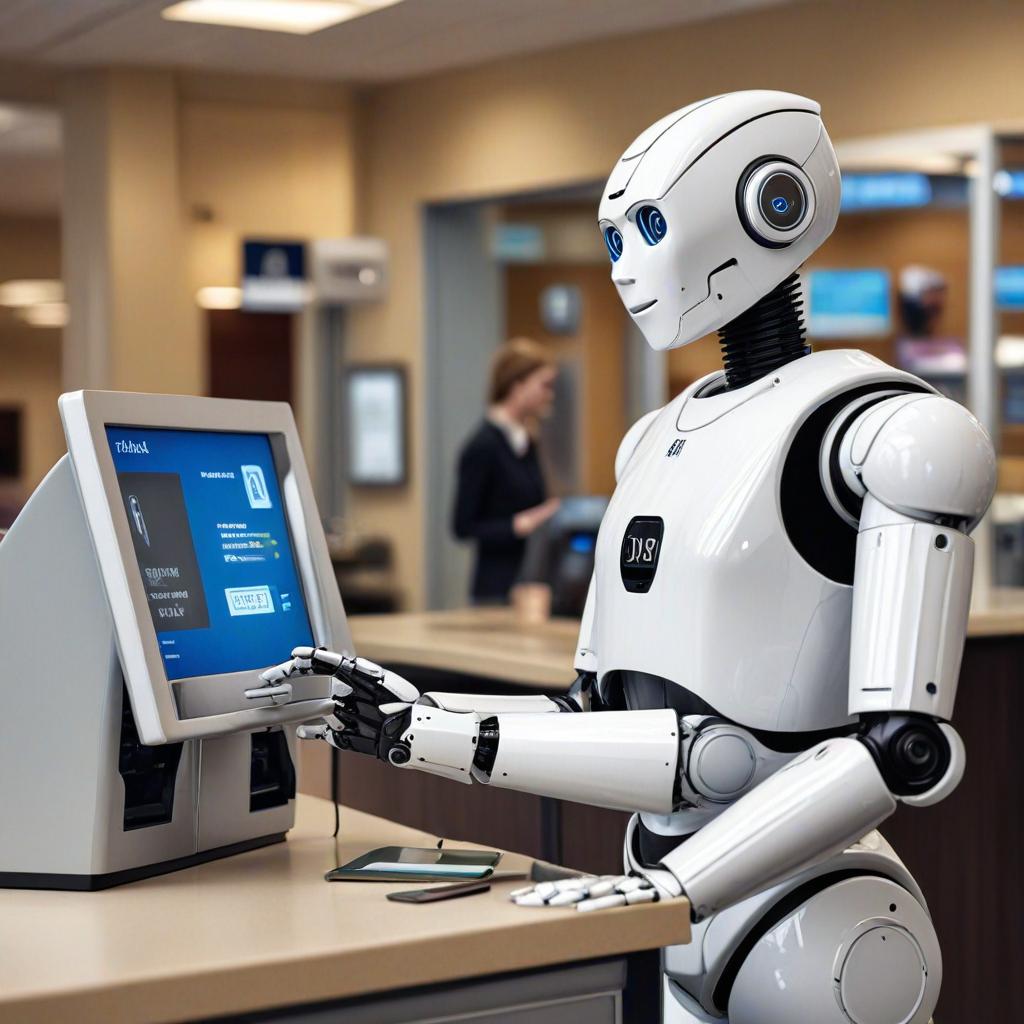
The CrowdStrike Fiasco is an excellent example of a use case where AI, in collaboration with humans, can help bring almost 100% accuracy levels to software development and software updates. When it comes to AI and generative AI, we really need to start thinking beyond co-pilots, which are, if you think about it, still reactive.
Users generally interact with these copilots when they need inputs or insights. And that is not necessarily a wrong approach. But that may not be a good approach for all solutions. So think about this specific CrowdStrike example. In this example, you can develop an always-reading copilot, that can identify and flag errors as you code. And it’s easily doable with current technologies.
As humans, we are always prone to errors. We get tired, we lose our focus, we may be overworked, or there may be something more pressing that needs to be addressed at home. For Al, none of those constraints exist.
So, if there was an Al in the loop, it could have quickly checked the validity of every line of code, while it was being written. If course the training for such an AI needs to go beyond the syntax of the coding language, but is not difficult to develop. The AI also needs to understand the objective of the code, and if it will interact with other codes and software. With current capabilities, it is relatively easy to build this kind of human Al symbiosis-focused solution. Unfortunately, it can not be developed as a third-party solution (Think about why). Organizations will need to develop their own custom solutions for their developers.
In the world of software development, we really need to stop obsessing with fully automated Al-enable solutions, in almost every sphere of application. With that approach, I can guarantee that we can build solutions that will always deliver perfect accuracy. Because we will be able to leverage intelligence that is artificial but is never distracted and gets tired, paired with one that is one carried by the most intelligent species on the planet.

 Designed Analytics Blog