
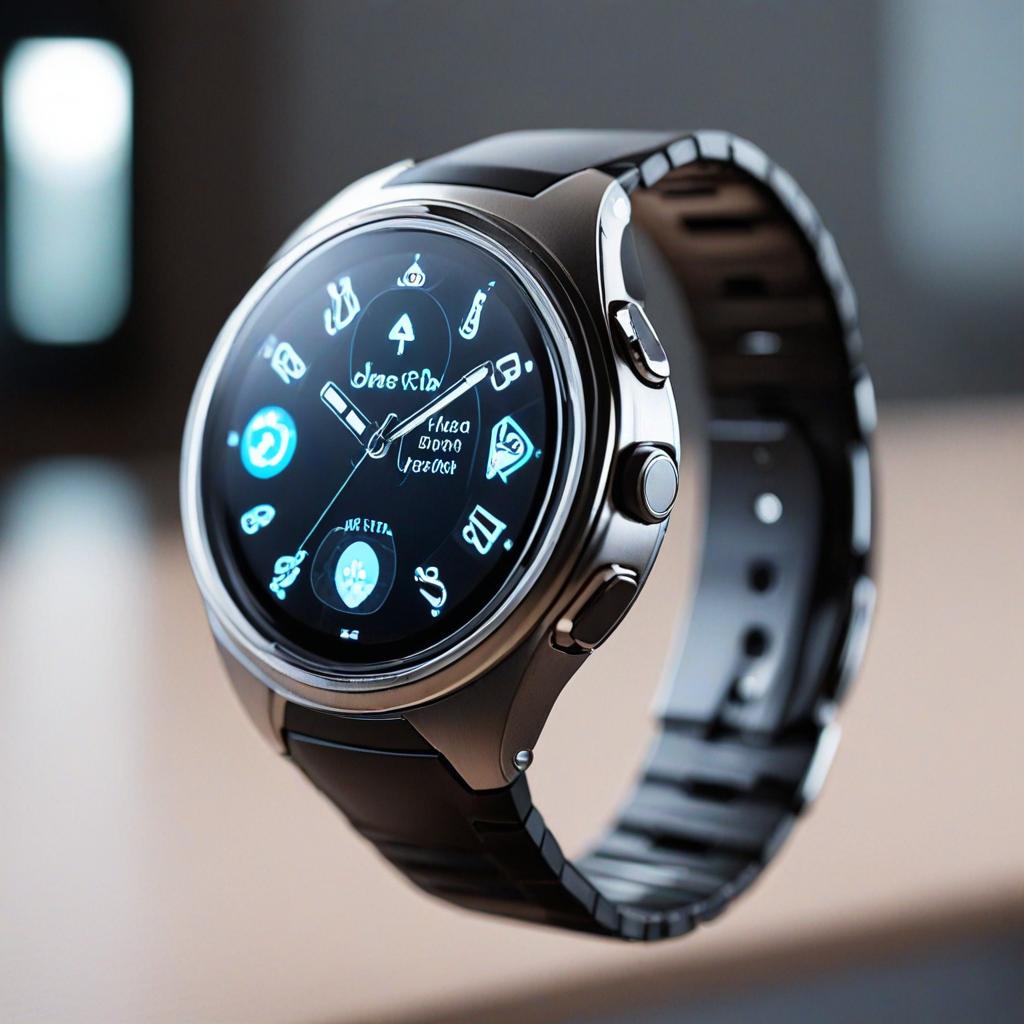
This morning, I was reading about Samsung’s upcoming smartwatch, the Galaxy Watch7. While most of the current information is “leaks”, those “leaks” are indeed interesting. The product launch is on July 10 so we will know on that date how much of the information currently circulating online is accurate but one expected feature caught my attention.
Almost three years ago, I highlighted the exact same feature, in a post pertaining to smart rings. Apparently, Galaxy Watch7 will be able to predict heart attacks, when they are about to happen. Remember, in today’s age, what may seem futuristic, will become a reality within 2-3 years.
Whenever I talk about smart devices, I am a proponent of proactive smart devices. This means, smart devices that go beyond capturing data and descriptive analytics. The real value of smart devices is what I like to call (self-coined terminology) predictive proactiveness. My most recent article on smart cities also emphasized why we need to build predictive proactiveness in smart cities.
As phones become more and more powerful (Galaxy Ultra24 has 12GB of RAM), they can support some fundamental analytics on the edge, leveraging data captured by smart devices. While the impact of detecting a heart attack early is gigantic, the data points required to predict are not.
We have to remember that these devices do not provide clinical diagnosis. There may be instances where the onset of a heart attack may be missed. On the other hand, there may be false alarms. But the fact is, leveraging a few data points, an algorithm can trigger such alarms with good accuracy. You should have seen this coming, as more and more features, like ECG, Blood Pressure, precipitation, and Blood Oxygen, were being added to these smartwatches. If Galaxy Watch7 indeed has this feature, the upcoming version of the Apple Watch will have it too.
The value-generating aspect of smart wearables and other consumer-focused smart devices is predictive proactiveness. The ability of these devices to leverage data points captured to be proactive in predicting events that have not happened yet. And the opportunities to provide such features have increased as the phones that these wearables tap into have become more and more powerful. When I emphasize the power of the phone, it is only for time-sensitive predictive proactiveness features like raising the alarm for a heart attack. For some other predictive features, data can go to the cloud for calculations.
If the device manufacturer, in this case Samsung, already has a portfolio of appliances with the form factor to pack more power (like a smart refrigerator), the ecosystem of appliances can share computing power across appliances (obviously with the consumer’s permission). That can take the potential of predictive proactiveness to a whole new level.

 Designed Analytics Blog