
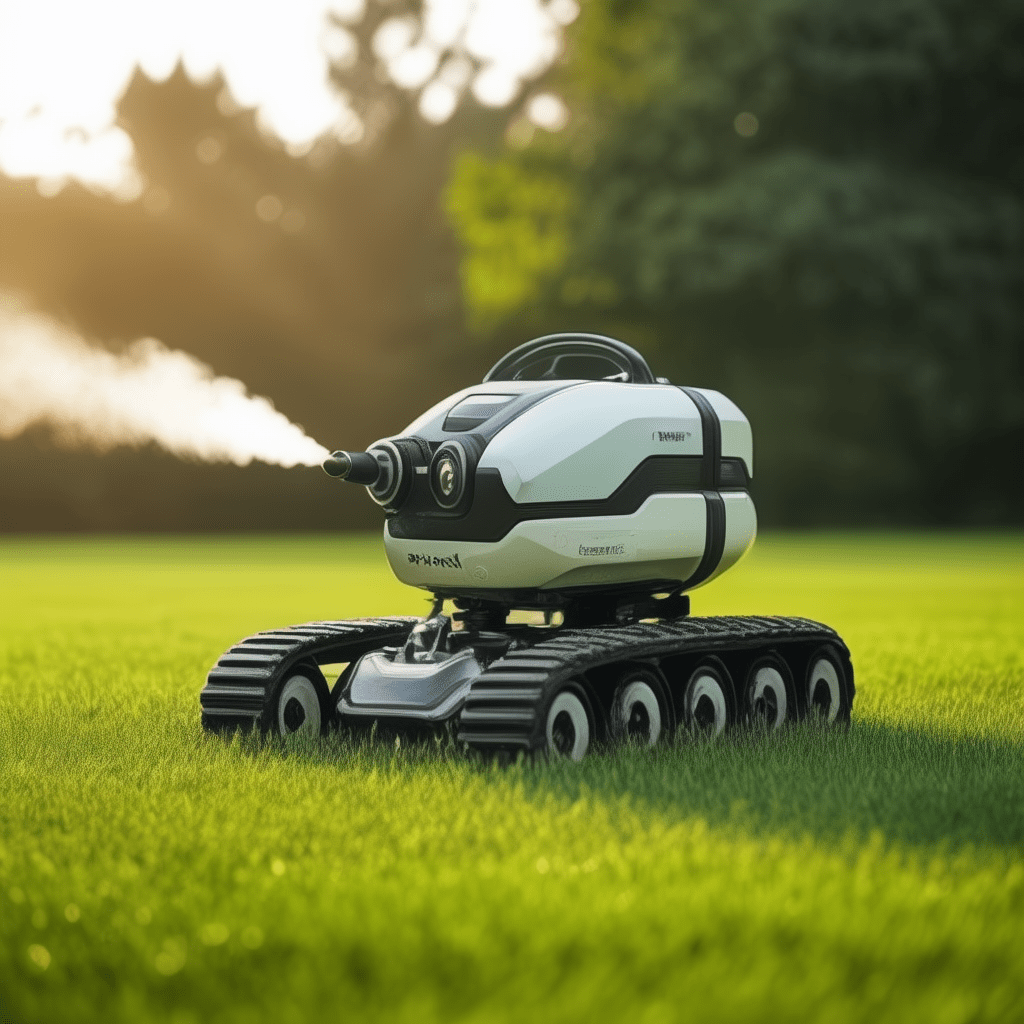
If you like wasting time reading my blogs 😁, and had the opportunity to read The Crabapple Tree and AI, you know that I am currently on a quest to save a crabapple tree in my yard from dying. Following a series of steps, yesterday evening was about spraying the tree with an insecticide. While doing that, despite wearing glasses, I somehow, in a stupid way, got a few drops in my mouth (possibly due to the strong wind). I rushed to rinse my mouth. As I resumed the spraying business, I started thinking about the hazards of dealing with something like this daily or frequently, as well as a news article I had read a few years ago.
The news was about a lawsuit against a weed-killer chemical manufacturer. Apparently, those who frequently worked with that weed killer, treating lawns, were at an increased risk of getting cancer. Those who did end up getting cancer filed a class action lawsuit against the manufacturer. The fact is that even as a homeowner if you regularly interact with pesticides or weedkillers, you are at risk.
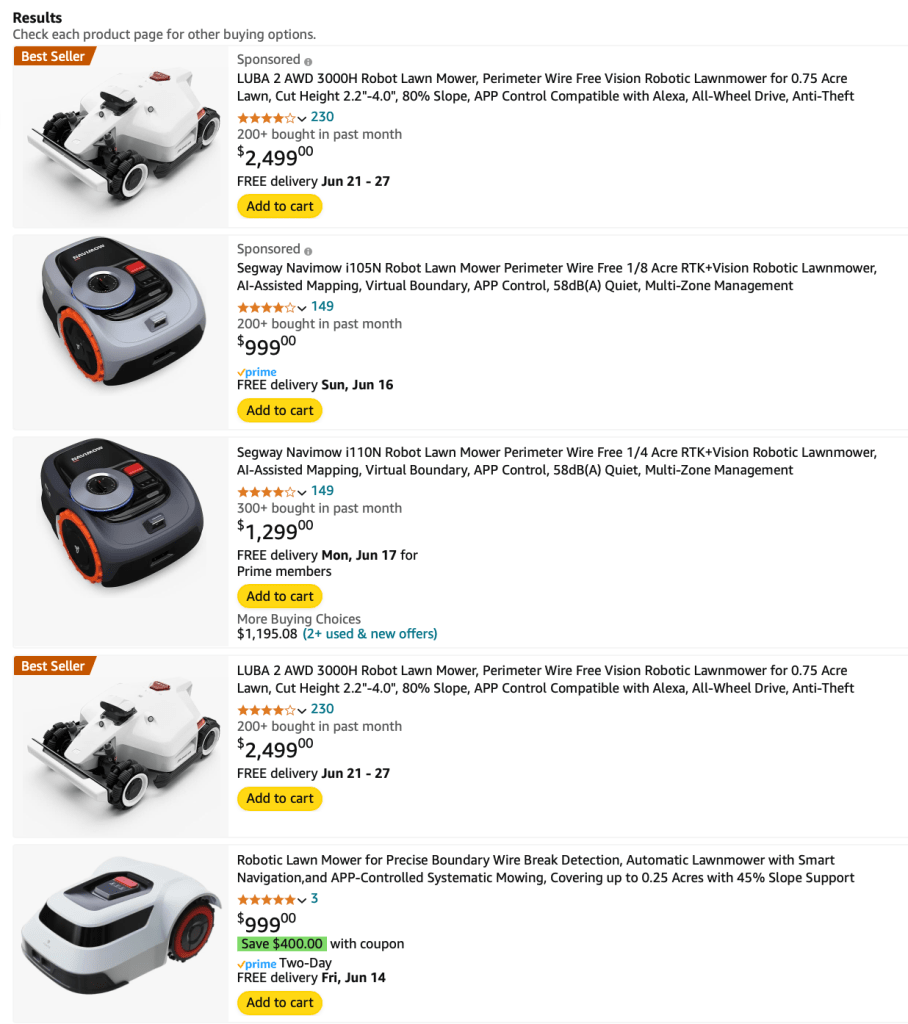
My thoughts then forayed into how there is a wide portfolio of “hi-tech” yard work equipment but nothing that addresses the hazard of physical interaction with carcinogenic liquids. You could wear a biohazard suit when applying these chemicals, but that is not practical. If you are looking at lawnmowers, there are Roomba-like smart lawnmowers available where once they “learn” your perimeter (the no-wire ones), you just turn them on, and they will go around doing the mowing for you. But no similar product for lawn work that is more hazardous.
This void reminded me of a challenge we grapple with in the world of business AI as well. We tend to focus on what can be done, vs what should be the focus. The problem of this approach is exacerbated by peddlers who just move from one company to another, selling AI snake oil, and force fitting what worked in one place, in any scenario they deem fit. The long-term results of these initiatives is guaranteed to be a failure.
But if we follow the approach of building an AI strategy by finding the grass-root level challenges first and then rolling them up into an overall AI strategy, it allows us to address the real challenges. You will have an AI strategy that actually works because it is designed around the problems your people, your business processes, and your organization face.
In this specific case, even someone like me can actually build a equipment prototype, one that can spray your lawn with a weed killer, with an inexpensive (relatively) kit. Why is it easier? If you think about it, the lawn mower needs significantly more power and has heavier accessories (like blades). These automated ones can’t collected mowed clippings yet. But if you want to design and build a multi-purpose lawn sprayer, with a half a gallon tank, you need to factor:
- A mobile platform with an IoT kit that you can use to train it on the perimeter of your lawn and how to control and actuate the spray pump.
- A kit to control and actuate a pressure-induced pump, with a half-a-gallon tank integrated with the IoT kit.
With some programming skills, you can build this within $200. Once trained on your perimeter, this equipment just goes around spraying till the tank is empty.
If you develop a commercial product on these lines, there may a good market size to harvest. Though the margin on this product may not be as high as a robotic lawnmower, you can compensate for that in volume. With an attractive price range and an actual utility, this robotic lawn sprayer can be a hit with those who despise handling hazardous chemicals. This will also save the lives of those who perform these lawn applications commercially.

 Designed Analytics Blog