

This article is an excerpt from the Designed Analytics Report, ” Top Five Focus Areas : Data and Analytics” publishing on 01/26/2024.
Don’t get carried by which AI algorithms you can use!
This is a theme that I have emphasized consistently. However, the key here is defining a robust process around identifying the problems. While it is difficult to do so, in this age of extreme AI hype, the first critical step is to forget about algorithms and AI jazz. That is why I have not included a list of analytics tools and algorithms to explore. Remember that when you hear that 85% of ML initiatives fail, the translation is that most companies are not yet ready for analytics initiatives that are imperative to execute in this decade.
You will find a plethora of “cheat sheets” focused on mapping types of problems with ML algorithms. But the secret sauce, in my opinion, is in the steps before that.
I emphasized last year and have included data architecture as a critical focus area again this year because having that foundation in place gives you the fundamental capability to identify and understand your problems- visibility. Human inputs are also critical to comprehending a problem’s nuances, but the starting point has to be data. I have seen instances in my career where we were approached with an “excess inventory” problem, which turned out to be a transportation-driven issue. You may be told that the customer attrition problem is driven by pricing, but data may suggest it is related to poor service execution.
This does not mean that your people’s insights are lying to you. Most organizations have not reskilled those working on the frontlines to leverage data as it should be. Most teams also work in silos and are hence focused on their problems. So, unless you have executed a talent strategy effectively, like the one identified in the report, you must leverage data to identify and validate a problem.
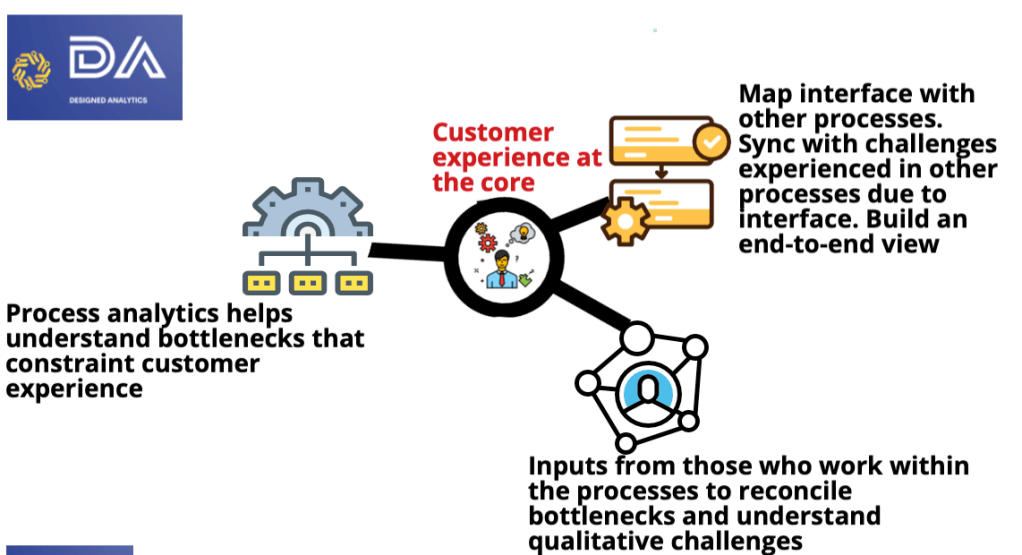
Once you have the right level of visibility, the following essential aspect is to understand if it is worth solving. Most organizations exist to serve end customers. Even if, at a high level, you may feel that you are deciphering an issue plaguing your employees, the fact is that it all translates into a better customer experience. This is very similar to the concept of value-added and non-value-added process elements in lean. The process is shown in Figure 1.
Figure 1:Standardizing the process of finding problems to solve
The second key area is to try to understand if you can use your existing portfolio to build a solution. There are elements to that as well. In some cases, you may be able to build a solution using existing tools, but it would be a band-aid approach. Launching an initiative to build a data & analytics solution around the problem makes sense.
Ditch the cheat sheets!
I suggest you include customized questions in RFIs if you are looking for external vendors. As I have mentioned in my daily videos, most companies that have become “AI solutions” providers are not equipped to build or design solutions beyond the vanilla cheat sheets. The best way to understand the capability is by asking customized questions around your specific problems and ensuring that the answer does not include a previous use case but an actual answer to your problem.
More and more analytics tools today are expanding the portfolio of algorithms they include in their platforms. You may not need to build a custom solution or algorithm. ERP providers integrate AI capabilities in their platforms now. Hyperscalers offer a wide gamut of tools and solutions. But if you really need to build a solution from scratch, it is inexpensive unless you want to develop your own GPT. So don’t get intimidated if you believe the algorithm requirement is complex. The solution is already out there!
Make sure you download the full report publishing on 01/26/2024.

 Designed Analytics Blog