
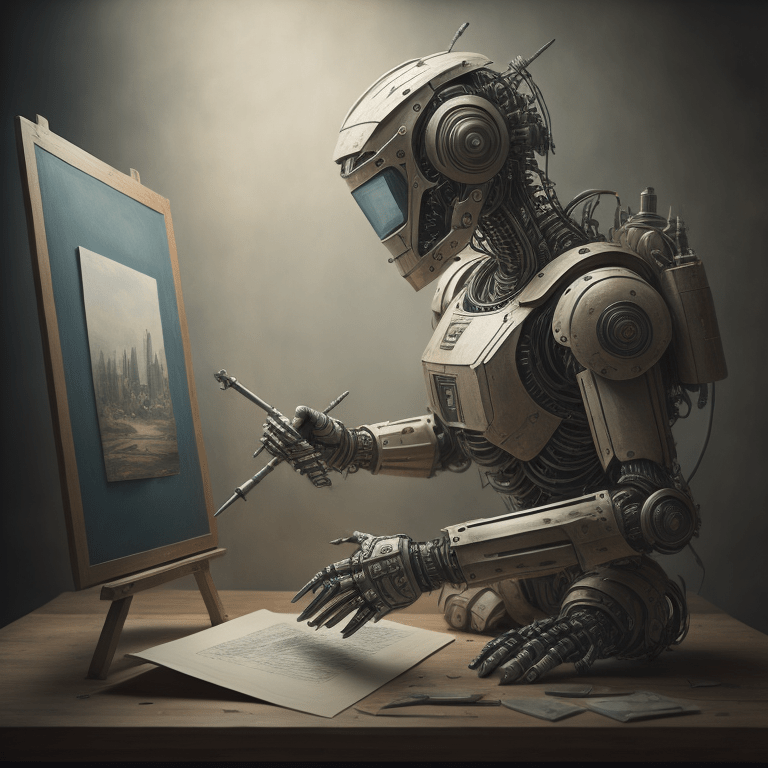
I often use the word “beautiful” when discussing technology. To some, that may seem like an outlier. We associate many terms with technology, like innovative, emerging, disruptive, etc., but beautiful is not a word we generally associate with technology. When associated, it does stand out as an outlier. But why?
Because we associate the word “beauty” with something intangible, whereas technology, in our classic opinion, is tangible, concrete, and well-defined. So when does technology become useful? In my perspective, the scenario where technology becomes beautiful is when it breaks its concretely defined constraints and impositions. When a particular technology is extrapolated to do things that it was not initially envisioned for, THAT is a beautiful scenario.
Another beautiful scenario is when technology, no matter how complicated it is on the backend, becomes beautifully simple and enjoyable for the end-user. When the end-user sees a technology product as a work of art that combines technology with other aspects, it provides a totally different experience (an enjoyable one) for the end-users. This is where the complicated and mundane aspect of computing evolves into imputing.
Mike Markkula, one of the first investors in Apple and one of the father figures for Steve Jobs, could anticipate lessons that were decades away from circulation. That vision means you can be a decade ahead in the game initially, like Apple was and then use that category leadership to further advance your empire. One of the drivers that Markkula attributed to his “superpower” was intuition. Intuition is so intangible that we find it hard to associate with technology.
Markkula’s and Job’s intuition helped them evolve computing into imputing. As described in Markkula’s one-page white paper “The Apple Marketing Philosophy,” the gist of imputing was simple: Your product may be technologically superior, of the highest quality, with the most powerful software features. But in the end, if the end-user perceives it as slipshod (because you present your product that way), it will become slipshod. In Markkula’s exact words:
“If we present them in a creative, professional manner, we will impute the desired qualities.”
It is sad that decades later, most companies have still not realized that in today’s age of lowest tech barriers to entry, what will win the game for them is imputing, not computing. Imputing is not just about marketing. Yes, marketing is an element of building that imputing experience, but Markkula derived the word “imputation” from intuition. And like Markkula, Job’s take was that intuition makes us realize what the end-user wants the technology to deliver. He says,
“The main thing in our design is that we have to make things intuitively obvious.”
And for that you have to see beauty in technology beyond beautiful user interfaces.
That very idea goes against our basic constrained thinking about technology. We are so used to leveraging decades-old methodologies that we will find it hard to hire people who can think about technology from that perspective. After all, we have “reliable” methods to hire software engineers. That will ensure that they can build a technologically superior product. UI guys can take care of the beauty aspect. Marketing can then help market the product. While you may not admit it in public, if you are a major software company that has recently seen a barrage of new entrants due to low barriers to entry, you know how this approach has been working for you recently, not in current revenue but in the prospect of sustaining your market share and revenue.
It is now imperative for software companies to offer imputing products, not computing products. And there is much more to offer an imputing product than stuffing more advanced features, many of them “AI-enabled.” What matters is whether those features offer the “imputing” experience or not.
More insights on this topic will be shared in Episode 18 of “Think About It”.
References:
- The Apple Marketing Philosophy: Mike Markkula
- Steve Jobs: Walter Issacson

 Designed Analytics Blog