First, my heart and prayers go out to all those who lost their precious lives and those who suffered tragic losses in the Maui fires.
In the most recent development on this topic, Maui County sued Hawaiian Electric last week for negligence. Hawaiian denies that negligence was the primary driver behind these fires. So far, more than a dozen lawsuits have been filed against Hawaiian Electric, and Fitch downgraded its credit rating to Junk.
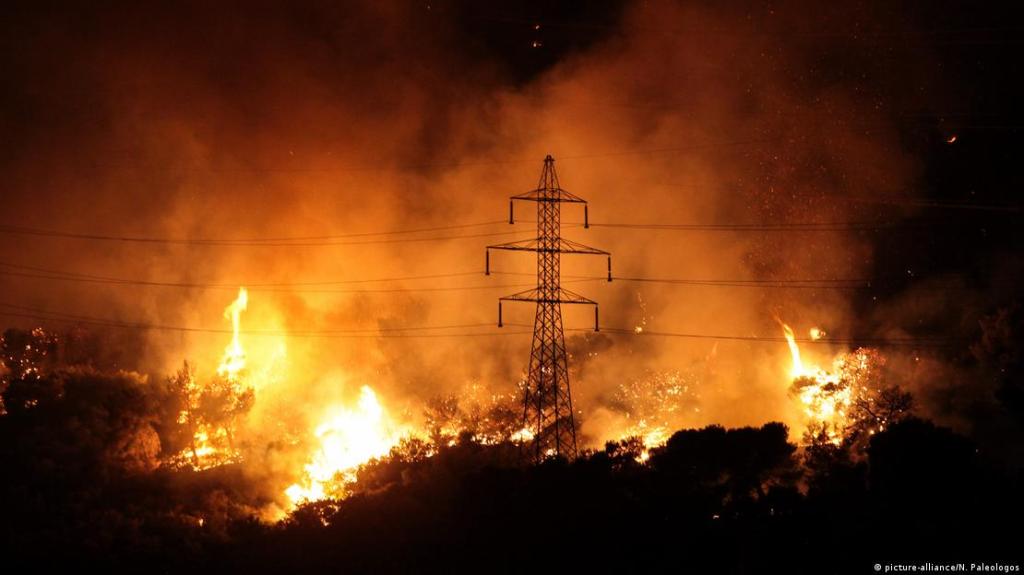
Undoubtedly, the first fire was caused by downed power lines. Reports suggest that lack of maintenance has plagued Hawaiian Electric for a while. Remember that PG&E ended up in bankruptcy because of years of deferred maintenance. The financial implications of this tragic event are insignificant. But a key question is how technology, specifically Industry 4.0, can help us avoid these tragedies.
Utility companies are no strangers to leveraging sensors and technology for visibility, operations, and maintenance. But technology can help companies optimize their costs, even when they are struggling and can’t invest in major digital transformation so that they can still perform critical maintenance. And for those not struggling, it can enable them to respond better in cases like this (power lines snapping due to an act of nature).
The first aspect where technology can help is critical maintenance.
It is painful that I can not scroll down my LinkedIn feed without seeing a few sales pitches on prescriptive and predictive maintenance capabilities under the Industry 4.0 umbrella. Yet, in real life, we see maintenance-related failures happen repeatedly. Unless a utility company has been operating under a rock, it is not very expensive to implement a capability that can help them prioritize maintenance as per their budget.
The second aspect is that Industry 4.0 can help us to make decisions in major acts of nature events in this specific context. In this case, when there are strong winds, an algorithm incorporating additional data points (geospatial data, maintenance data like when was the last time maintenance was performed in that area and on which components of the infrastructure, historical events like fires, flooding, hurricanes, etc. in the area, are some examples ), can suggest whether to turn-off power in specific geo areas.
Yes, there are downsides to turning off power. Communication and transportation snarls, economic losses due to businesses closing early, etc. These can be incorporated as well in algorithms. A solution that can simulate the probability and propensity of a fire (in this example) from downed lines can simulate the fire’s extent, which can be reconciled with the impact of shutting the power, and perform a cost-benefit analysis.
The solution may not be perfect. It can also not incorporate every aspect (like someone on life-support in their home, powered by electricity, with no backup). But still, we can bring as much science as possible, leveraging components of Industry 4.0, like weather and temperature sensors, AIoT, and AI and ML, to help minimize such tragic events.
Perfection is not needed to actually use Industry 4.0 for good. What is needed is vision, willpower, corporate courage and responsibility.

 Designed Analytics Blog