
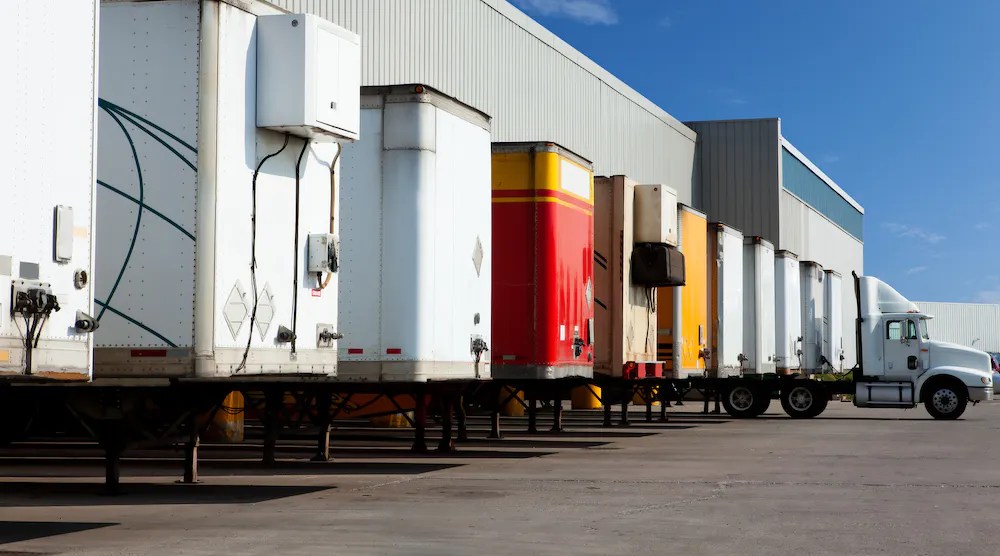
Have you ever received a large shipment like this, with significant damage, and wondered how this ended up being shipped without anyone noticing?
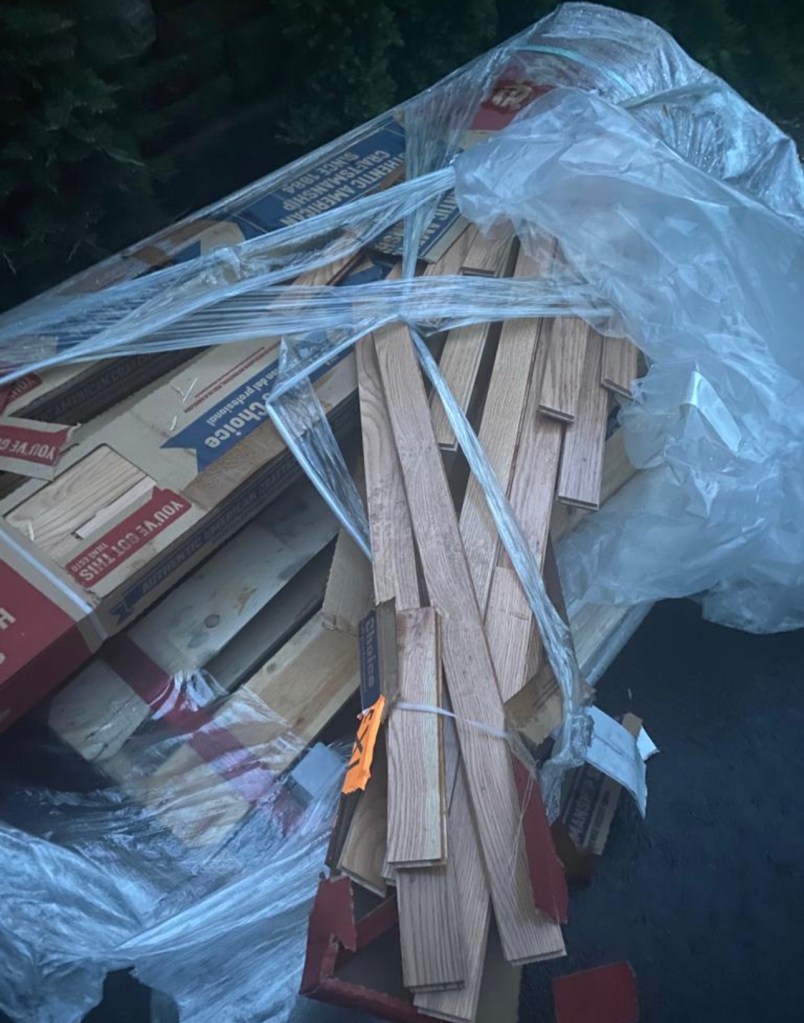
If you think the picture above is a random picture from the internet, it is not. It is an actual delivery I received when I was in Massachusetts. Did I complain to anyone about why it was shipped this way? I did not.
As I have mentioned often, when I run into situations like these, I think about how technology could have been leveraged to improve the result.
If it becomes evident that the ownership on the people’s side is not at the level you need it to be, technology can be leveraged to force ownership. In this specific case, the specific technology is smart cameras at the dock, and the obvious paired algorithm will be deep learning.
When it comes to last-mile component of customer experience, logistics plays a very important role. Most logistics-related last-mile customer experience issues can be categorized into three buckets: late deliveries, damaged or incomplete deliveries, and lost products. Deep learning can help with all these buckets, but since we are focused on leveraging deep learning at the dock, the category that will be addressed here is damaged deliveries.
Deep learning can help improve dock operations significantly in other ways as well. Combining AIoT enabled camera with a NN algorithm that taps into relevant data points from the systems and worker tags, you can improve the efficiency of your dock operations by at least 25%.
In this specific use case, the training is pretty simple. The real-life example in the picture above is pretty straightforward, so let us explore another example.
Let us say you are loading a shipment of home appliances. Every appliance comes with a specific primary packaging form factor and it is a pretty rudimentary task to train an algorithm on what an ideal package should look like.
So, if there is a deviation, like the corrugated box is deformed beyond certain acceptable parameters, the algorithm will flag it.
So what?
The aspect that I consistently emphasize, that technological success is a prudent combination of people , processes and technology , comes into play here. Otherwise, that flagging by the algorithm means nothing.
So what if an algorithm flags a dishwasher box. The win will be derived from what type of process you design to extract value from the data and what type of role people will play in that process.
In this example, there can be multiple tiers in the process. An example of the flow of one of these tiers is : If the box is deformed in x directions by more than y degrees, then the package can not be added to the manifest unless someone approves it.
This forces someone at the doc to be responsible. Since if there is a customer experience claim pertaining to damaged arrival, someone has been documented to be responsible 😉.
While we are busy exploring whether deep learning can end humanity or is a totally unreliable technology, there are use cases that can be leveraged across multiple functions. We must step back from all the chaos, buzz, and gaslighting and focus on realistic, applied applications.

 Designed Analytics Blog